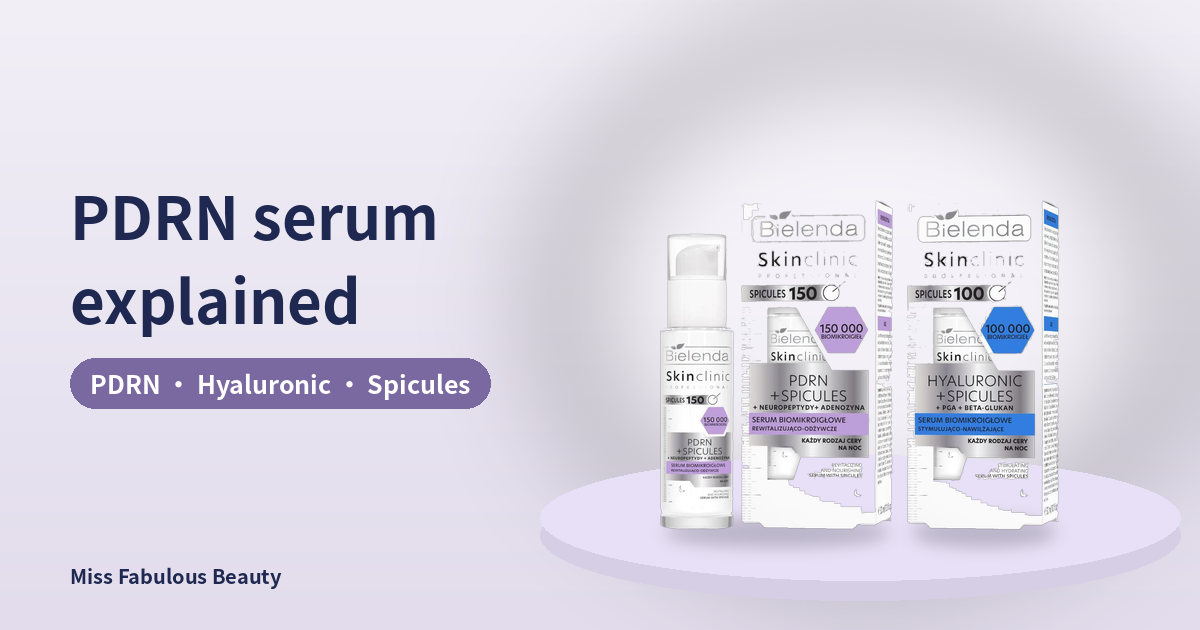
The short version
✓ PDRN is a skincare ingredient a lot of people are searching for lately. On the Bielenda PDRN serum it shows up on the ingredient list as DNA.
✓ The "microneedles" here are not needles. They are hydrolysed spicules from a natural freshwater sponge, so expect a light tingle.
✓ Want a fresher, smoother look? Pick PDRN 150. Skin feels tight and dry? Pick Hyaluronic 100.
✓ Evenings only, keep it away from the eyes, and skip exfoliants, retinol and vitamin C while you use it.
So what is PDRN?
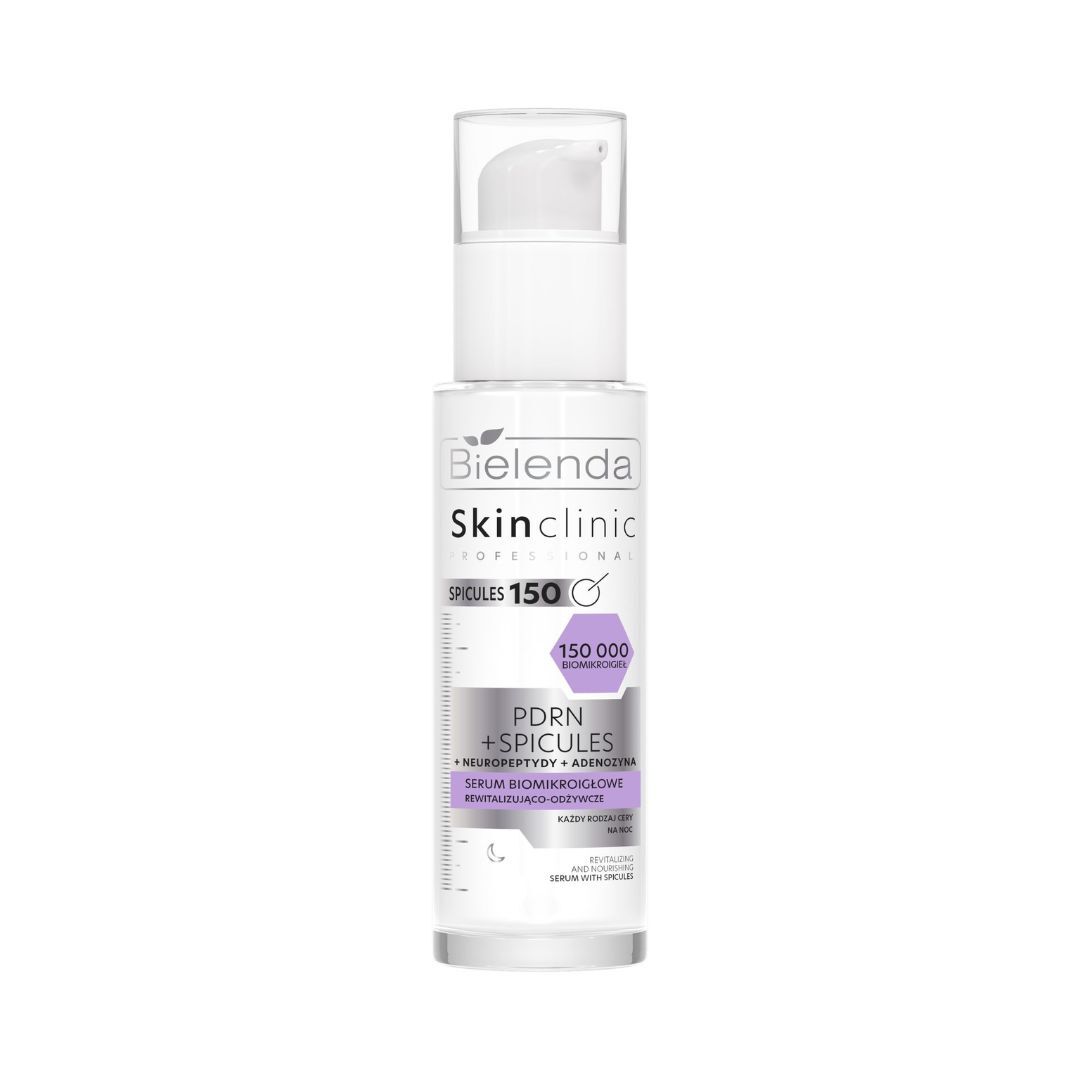
PDRN stands for polydeoxyribonucleotide. Turn the Bielenda Skin Clinic Professional PDRN serum around and you will find "DNA" in the ingredient list. That is the PDRN.
Bielenda calls it a revitalising, nourishing active and pairs it with neuropeptides and adenosine. The neuropeptides target the look of fine lines and skin tension, and adenosine supports elasticity and a fresher, brighter look. According to the brand, skin feels smoother after the first use, and after a month fine lines look softer and texture looks firmer and more even.
You will often see PDRN products sold as "salmon serums". Bielenda does not say where the DNA in this serum comes from, so we do not describe it that way.
What are "biomicroneedles"?
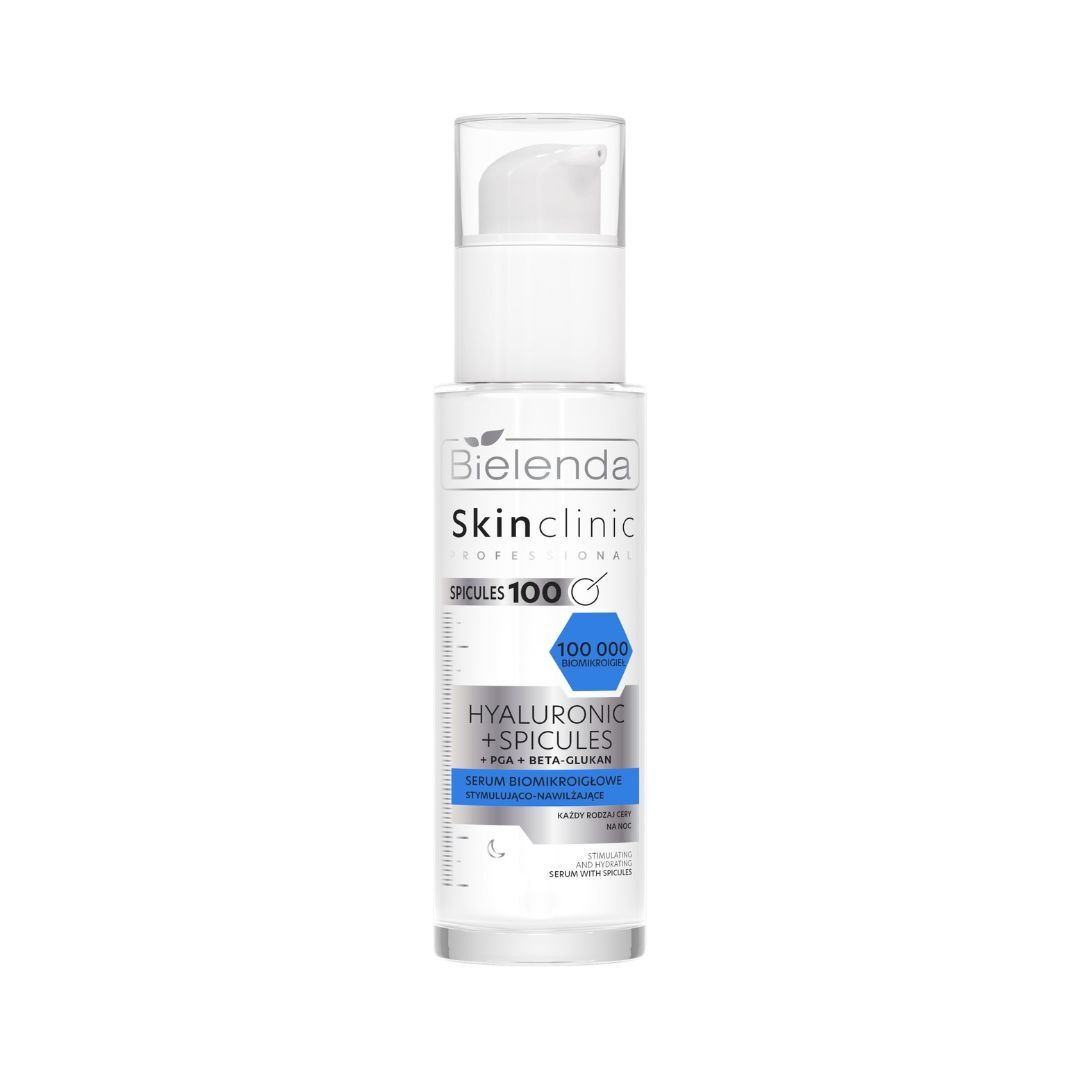
No device and no needles. Bielenda uses sponge spicules: tiny particles from a natural freshwater sponge that has been hydrolysed. The PDRN serum holds 150,000 of them per bottle and the hyaluronic serum 100,000.
The brand says the spicules stimulate the skin and help the other actives get in, which is why a light prickly feeling is normal.
PDRN 150 or Hyaluronic 100?
Rule of thumb: PDRN for a revitalising boost, hyaluronic for hydration. If you want to try both, finish one course before starting the other so you can see how your skin responds.
How to use a spicule serum
• In the evening, apply to cleansed face, neck and décolleté. Keep away from the eye area.
• Let it absorb fully. With the hyaluronic serum, follow with your moisturiser.
• A light tingle during the first few uses is normal. That is the spicules.
• The brand says not to combine it with exfoliants, retinol or vitamin C, and not to use it after aesthetic treatments.
• For the PDRN serum, Bielenda recommends a 14 to 28 day course.
Other PDRN options at MF
PDRN comes in different formats. The two Bielenda serums are 30 ml bottles for a nightly routine at home.
If you prefer single-use ampoules, we also carry Mastelli Placentex PDRN 5.625 mg (5 x 3 ml), a topical solution that is used up once opened. The routine is different, so check the product page for directions before you buy.
FAQ
Can I use the PDRN serum every night?
Bielenda recommends evening use in a 14 to 28 day course. Since the brand says not to combine it with retinol, vitamin C or exfoliants, pause those during the course.
It tingles. Is that normal?
A mild tingle from the sponge spicules is normal. If it keeps stinging or your skin turns red, stop using it.
Can I apply it around my eyes?
No. The brand says to avoid the eye area.
Can I use it after an aesthetic treatment?
Bielenda advises against using these serums after aesthetic medicine procedures.
Is it a "salmon serum"?
Bielenda does not state the source of the DNA, so we do not call it that.
Product details are based on Bielenda’s official website and packaging. The packaging always has the final say.


![2026年 『 正版正貨承諾 』 零售網店會員資格 2024101 [ISO 9001:2015 認證]](https://shoplineimg.com/5df9cc887c4047002c9cceac/69831171cb4da0320bc889ba/750x.png?)


